
Article: Through the Eyes of Gaga - Louise Metzger & the shaping of the modern artistic practice in Sierra Leone
Through the Eyes of Gaga - Louise Metzger & the shaping of the modern artistic practice in Sierra Leone
Having an art conversation about Sierra Leone without acknowledging its pioneers is to speak only of outcomes, never of foundations. Among those who shaped the conditions for artistic practice to exist, endure, and evolve, Louise “Gaga” Metzger stands central.

As an artist, educator, and cultural builder, she guided Sierra Leonean visual culture from modernist beginnings into a contemporary framework. She extended her influence beyond her own practice, opening her personal studio to emerging artists and creating the country’s first permanent gallery—a space to exhibit, learn, grow, and collaborate. In doing so, she structured the scene itself.

Foundations in Education
Before galleries and festivals, Metzger was a teacher. She began at St. Joseph’s Convent Secondary School in Freetown, first as a student and later as an educator in the mid-1950s. From 1967 to 1988, she served as Head of the Art and Crafts Department at Milton Margai Teachers’ College, training generations of teachers who would shape students nationwide. Her work as an educator earned her recognition as a transformative figure in Sierra Leonean art, establishing the foundation for professional art education in the country.

Gaga Studio: A Space for Collaboration
In 1986, Metzger opened Gaga Studio at 1 College Road, Congo Cross. Initially intended for her own exhibitions, it evolved into Sierra Leone’s first permanent artist-run gallery. Later renamed Gaga Gallery, it became a sanctuary and meeting point. The studio housed an art library, offered lessons to students of all ages, and provided exhibition opportunities when few existed.

She also launched GAFEST, an annual exhibition series presenting painters, sculptors, batik designers, and textile artists together. By curating a single continuum of creativity, Metzger promoted professional growth and a unified vision of Sierra Leonean art.
A Distinct Visual Language
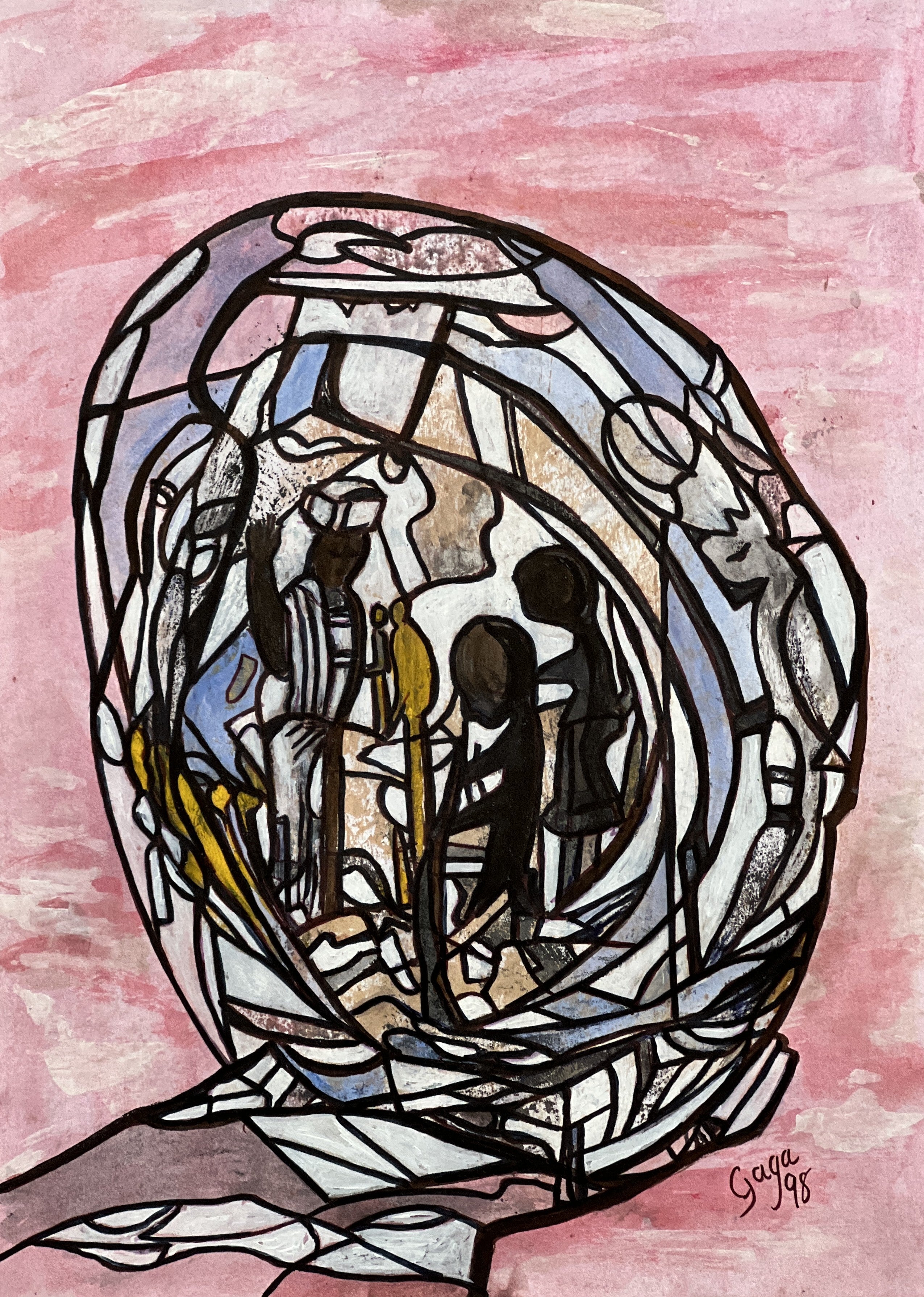
Metzger maintained a significant artistic practice alongside her institutional work. Her style moved toward surrealistic figurativism. In Nor Chakra (2008), lines weave a web suggesting interconnected lives. Imaginative Dream (1990) shows her move toward abstraction, where form and color express “continuity within change” (© Olu Oguibe, 1990). In Ar nor mix (2013), or “Count me out,” high-contrast lines explore human duality, while Yain (2011), meaning “Quiet,” emphasizes stillness and reflection. Her work remained deeply rooted in Sierra Leonean life, capturing both daily experience and the vibrancy of local culture.

Global Reach, Local Commitment
Metzger’s impact extended internationally. She designed Sierra Leone’s Bicentenary stamps in 1987 and received recognition for United Nations 45th and 50th Anniversary stamp commissions. Her works were exhibited across Europe, the United States, and Africa. Notable exhibitions include her solo show at the Africa Centre, London (1990); the Howard University touring exhibition featuring 43 African artists (1990–1991, including The Studio Museum in Harlem); group exhibitions at Alliance Française, Paris (1994); and The Right to Hope at Johannesburg Art Gallery (1995).

Despite her global visibility, Metzger remained committed to collective advancement. As President and founding member of the Society of Sierra Leone Artists, she led delegations abroad, promoting her peers alongside her own practice. Her career demonstrated the transformative power of education and institutional support, shaping the frameworks that allow contemporary Sierra Leonean art to thrive.
A Living Legacy
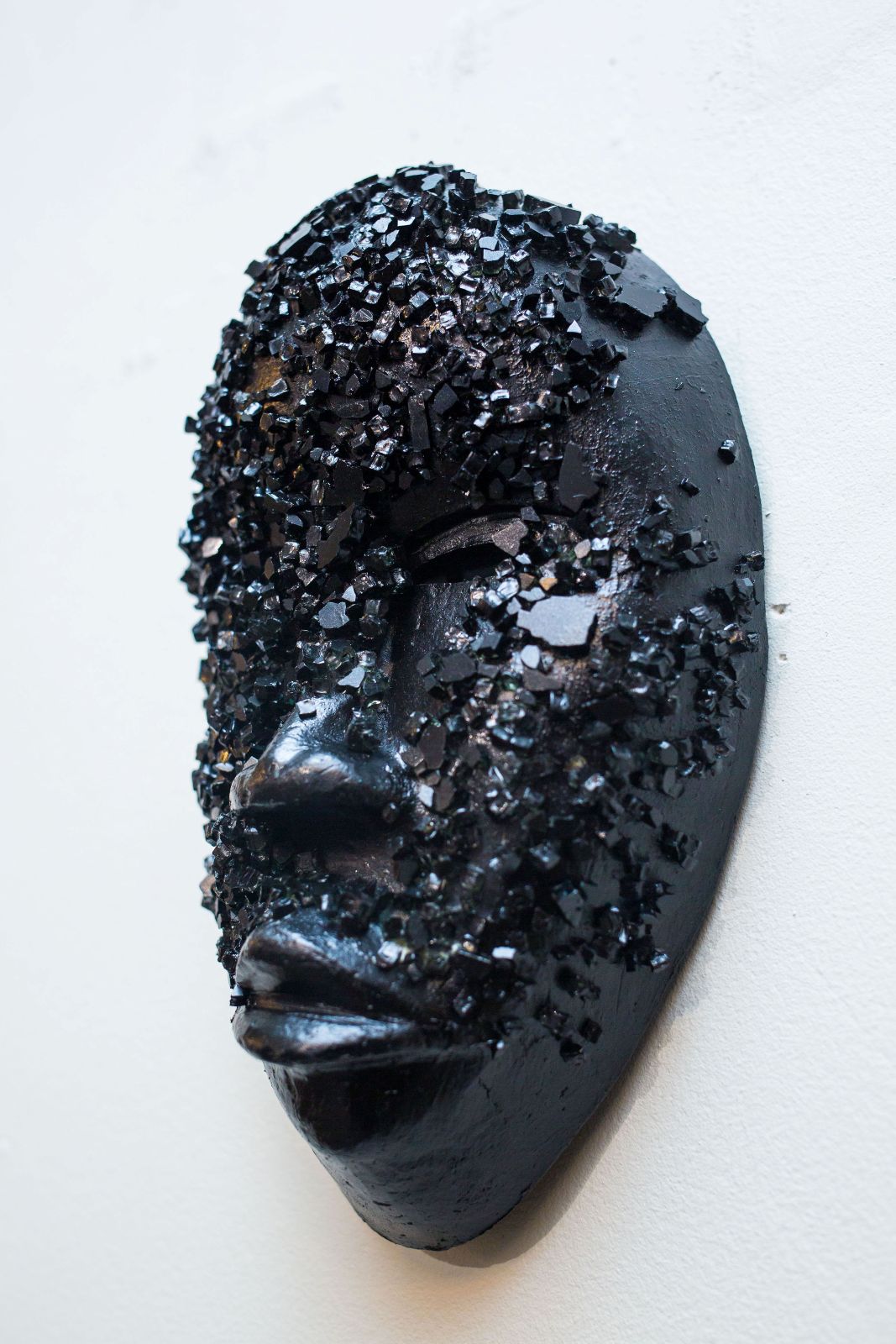
Through the Eyes of Gaga, hosted by unx-art at the European Union Delegation Compound, frames Metzger’s legacy as active and ongoing. The exhibition features her works—courtesy of the Metzger private collection—strictly for exhibition and educational purposes. Contemporary artists John Francis Sesay, Julius C. Parker, and Babatunde Morgan join the presentation, their practices reflecting her pedagogical and institutional groundwork.

Louise “Gaga” Metzger left more than artworks; she left a blueprint. The exhibition invites visitors to step into a world she helped build—interconnected, disciplined, and vibrant—where art functions as cultural infrastructure.

The legacy of Gaga is not a closed book; it is a living conversation about what truth is and who decides to paint it. At unx-art, we are dedicated to ensuring that the brilliance of the African diaspora remains at the forefront of the global stage. Follow the exhibition Through the eyes of Gaga on Instagram, on Facebook, or join our WhatsApp channel for instant updates.
Witness the continuity. Experience the soul. Be part on unx-art.net,
Archival research for this exhibition was made possible through the generous support of the Warren M. Robbins Library of the National Museum of African Art, Smithsonian Libraries and Archives, alongside the Metzger and Tejan-Kamara Families.