
Made in Sierra Leone in Focus — A Conversation with Sabanoh
Sierra Leone’s visual world has often existed through different perspectives — family albums, community histories, street encounters, coastal scenes, and archives that hold quiet memory. In the Limited edition book Made in Sierra Leone, eclectic artist Sahr Martin Kabba, widely known as Sabanoh, gathers rare and forgotten visuals of the country and reorganises them in an unexpected way. Designed entirely in Sierra Leone, the book becomes both an artistic statement and a cultural gesture shaped by the ethos “Nar wi gɛt ya” — “we own here.” It is a reminder that the country’s images can be shaped, interpreted, and authored from within its own environment.

How do you define yourself across all the forms you work in?
I see myself simply as an artist. Everything I do — graphic design, photography, sound design, creative direction, film, cultural organising, and now authorship — comes from the same artistic spirit. Art is where all of these meet. When I design, I design as an artist. When I create sound or direct a film, I approach it with the same instinct. This keeps my work connected no matter the medium. Art is the base that holds everything together.
 Sabanoh 2024, Sabanoh shooting a scene from Gboroka
You describe yourself as self-taught. What shaped the way you learned?
Someone once showed me the basic tools, just enough to enter the software. Everything else came from experimenting. I avoid tutorials because I don’t want to follow anyone’s steps. I prefer to sit, test, redo, and rebuild. That’s how my visual world formed — not from technique alone, but from trusting the long process of discovery.
 unx-art 2025, unx-art curator Sarah with artist Sabanoh
Sierra Leone is central to your work. What role does it play in your practice?
Sierra Leone is the starting point for everything. My name, Sabanoh, comes from the Temne people — one of Sierra Leone’s major ethnic groups — and in Krio, our national language, it carries the meaning “Nar wi gɛt ya.” This idea of ownership and responsibility stays with me. My colours, references, and stories all come from the environment around me. If the work is mine, Sierra Leone must be part of it.

How did Made in Sierra Leone begin?
It began quietly. Around 2022, I started taking photos near the National Stadium — small moments, colours, people, scenes I didn’t want to forget. By 2024, I realised these images belonged together in one object. I first thought the book could be called Made in Sabanoh, but everything inside was created here, in this country. It made sense to honour the place itself: the book had to be Made in Sierra Leone.

What guided the visual style of the book?
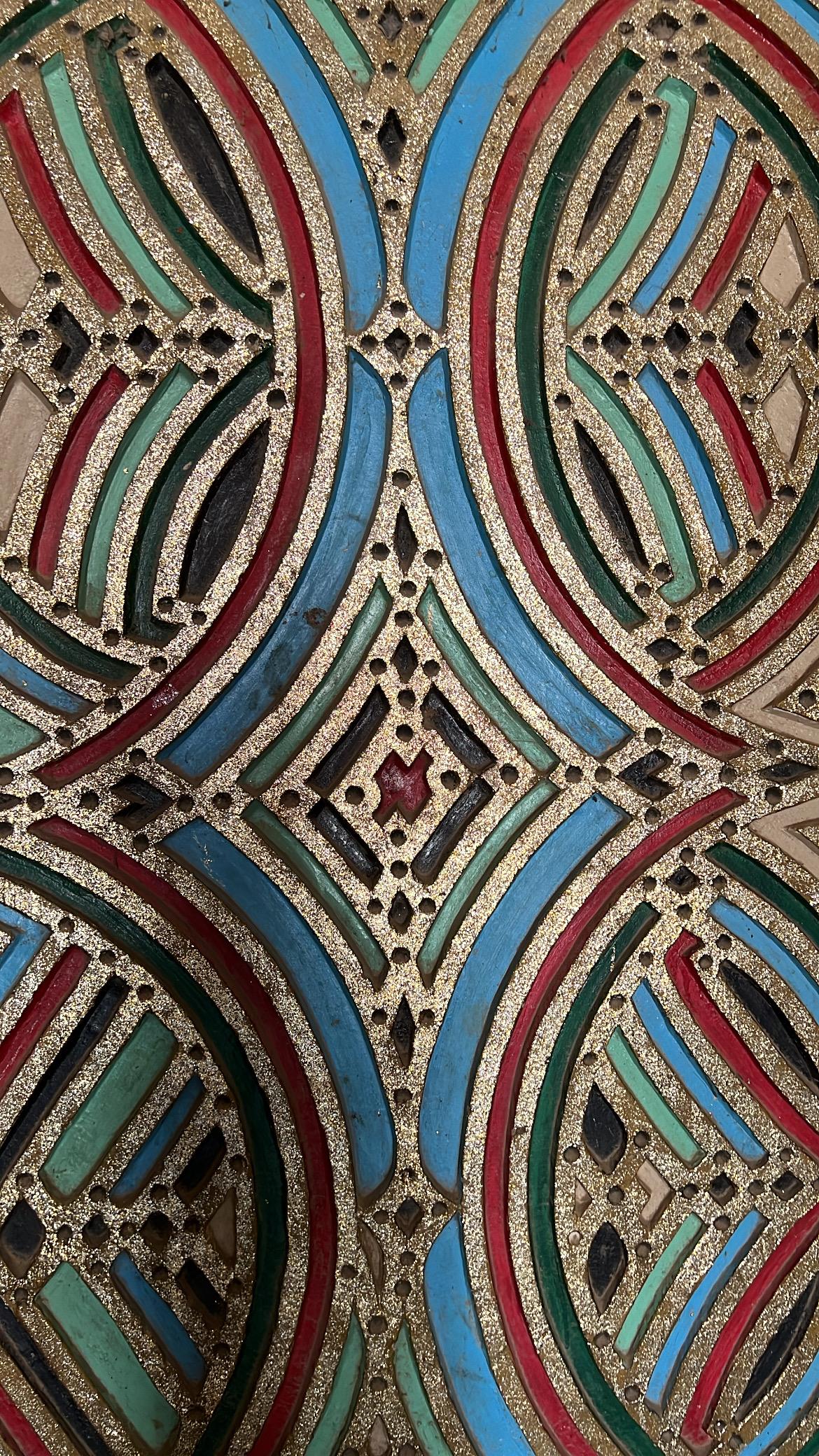
I experiment a lot. I’m inspired by old African vinyl covers — their colour choices, their rhythm, their graphic energy. I often extract colours directly from them. Archives are also important. I look for the clearest versions of old Sierra Leonean photographs, restore them, and reorganise them through colour, typography, and texture. The visual language — the way images, colours, and graphic elements communicate together — comes from arranging memory in a new way.

Does your film work influence how you composed the book?
Yes, a lot. Working on films like Gboroka and Sansan shaped my sense of rhythm.
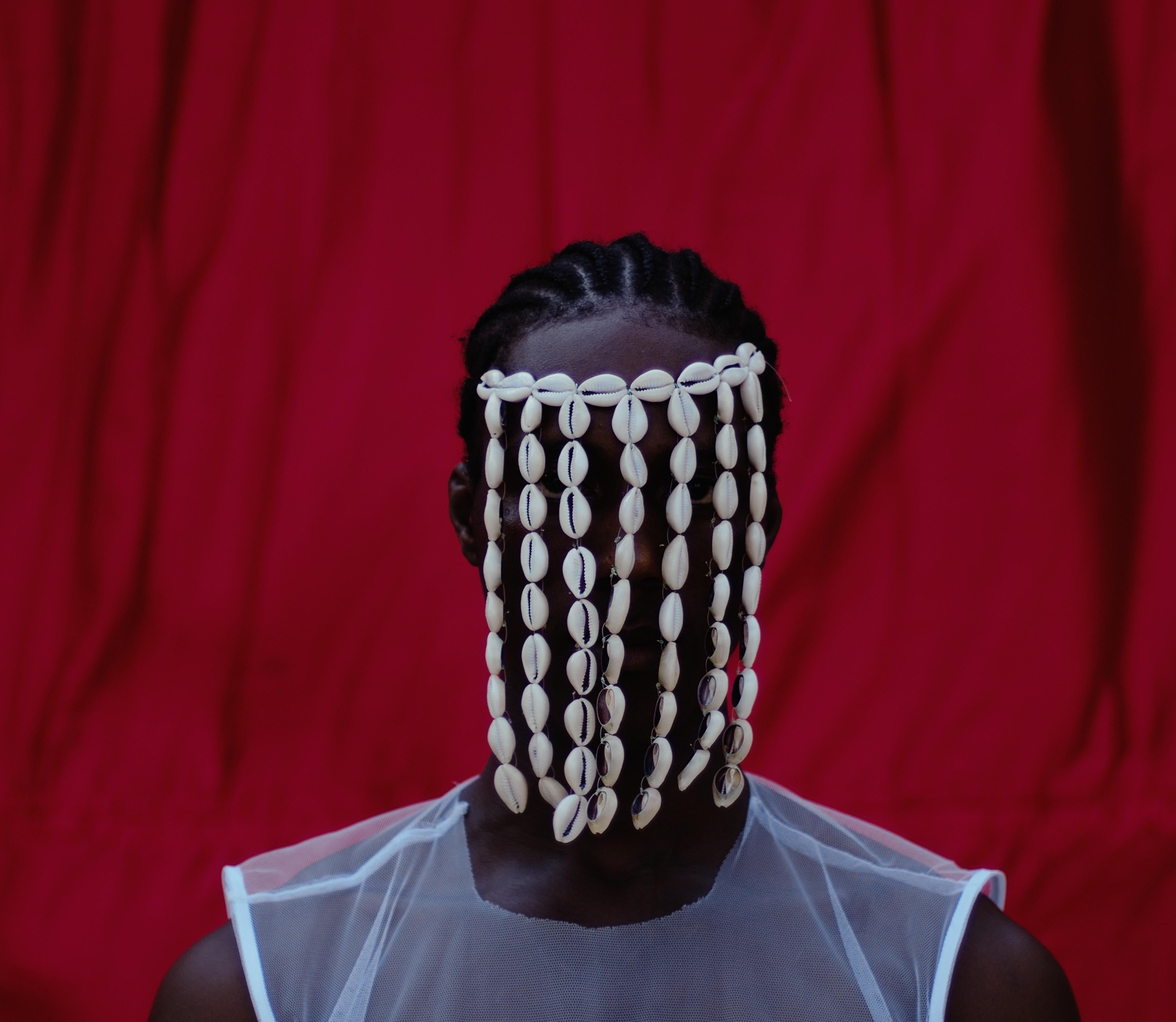
Gboroka — a Temne word referring to girls who have not yet joined the Bondo society — taught me how to build emotion through sound. On Sansan — meaning “grain of sand” — I handled creative direction, set design, and sound. Those experiences trained me to think in sequences. In the book, colour behaves almost like sound, and each page feels like a scene.

What do you hope someone feels when they open the book?
I want them to feel Sierra Leone — not as nostalgia, but as something real and current. This is why I used minimal text. The images should speak on their own. I want people to recognise the country, or see it differently, or remember it with new eyes.

Belonging appears often in your work. Why?
Because belonging is created by the environment around you. Even places others ignore carry meaning. My future project Dɔŋ bay (“down by the bay / at the shoreline”) explores this idea through collage and narrative — how place shapes identity, and how identity shapes place. Everything I do connects back to this sense of home.

What do you hope your work contributes to Sierra Leone’s visual future?
I want Sierra Leone to have a strong visual identity created by Sierra Leoneans. I hope to build Sabano Design Studio, a space where young artists can learn design, photography, creative direction, and visual research in a way that encourages their own voices. My goal is not only to create images, but to help build confidence in how we represent ourselves.

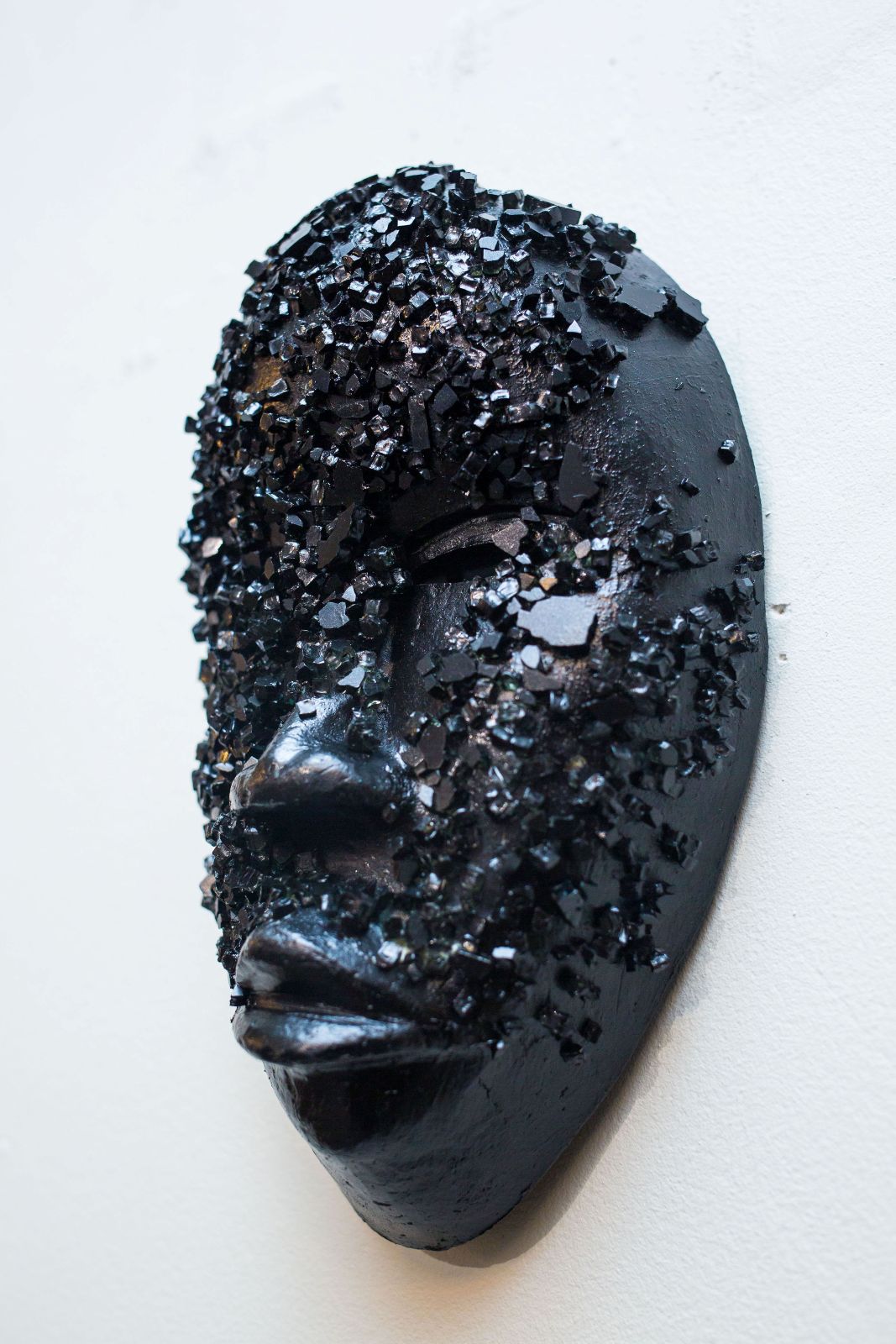
Sabanoh 2024, Mask from Sansan film
Made in Sierra Leone collects the country’s visuals — archives, streets, coastlines, portraits — and places them back into circulation through an unexpected arrangement. It is both a tribute and a beginning.
 Sabanoh 2024, Sabanoh creative directing
Discover the limited-edition book Made in Sierra Leone at unx-art.net.
Follow the journey and continue the conversation through unx-art’s Instagram and Facebook, and through Sabanoh’s work online.